Making Tax Digital (MTD) for Income Tax is now live. As of 12 August 2026, HMRC reported that more than 436,000 sole traders and landlords had sent their first MTD quarterly update, and more than 570,000 people had signed up to the service.
HMRC is now starting to sign people up
Making Tax Digital for Income Tax became mandatory on 6 April 2026 for sole traders and landlords with total annual income from self-employment and property above £50,000.
The first quarterly update was due on 7 August 2026.
From September 2026, HMRC began signing up people who should already be using MTD but have not registered themselves. HMRC said it would do this in stages over the coming months.
If HMRC signs you up, that does not mean everything is taken care of automatically.
You still need to check that HMRC has the correct information about your self-employment and property income, choose compatible software, create the necessary digital records and catch up with any quarterly updates you have missed.
This is why HMRC is encouraging eligible taxpayers to sign themselves up rather than waiting.
Read HMRC’s announcement about the first 436,000 MTD submissions
Missed the first MTD deadline? Don’t panic, but don’t ignore it
There is some breathing room during the first year.
HMRC has confirmed that no penalty points will be issued for late quarterly updates during the 2026/27 tax year. You still have to make the updates.
Your tax return for 2026/27, due by 31 January 2028, is different: send it late and you get a penalty point. Late payment penalties still apply too, but in your first year you have 30 days, rather than 15, to pay or set up a payment plan before they start.
If you should already be using MTD, you need to create digital records from the beginning of the tax year and send any overdue updates through compatible software.
The remaining quarterly updates for 2026/27 are due by 7 November 2026, 7 February 2027 and 7 May 2027.
If your first update is still outstanding, sort it out before the next deadline gets close. Our MTD deadlines guide lists every date.
Your 2025/26 tax return is still due by 31 January 2027. It is not part of Making Tax Digital and goes the usual way, even if you joined in April 2026.
Quarterly updates are simpler than many people expected
One reason MTD can sound intimidating is the phrase “quarterly reporting”.
But an MTD quarterly update is not another full tax return.
Your compatible software uses your digital records to calculate totals for your business or property income and expenses and sends those summaries to HMRC. HMRC itself describes quarterly updates as summaries rather than tax returns.
The real change is keeping your books up to date all year, instead of sorting out your records once a year.
Learn more about Making Tax Digital for Income Tax
What should you do now?
- Income above £50,000? If your self-employment and property income before expenses was above £50,000 and you have not yet dealt with MTD, check your position now rather than waiting for HMRC to contact you.
- Already signed up by HMRC? Check the income sources HMRC has on record, connect compatible software and catch up with your digital records and any outstanding updates.
- Income below £50,000? MTD may still be coming. The threshold falls to more than £30,000 from April 2027 and to more than £20,000 from April 2028.
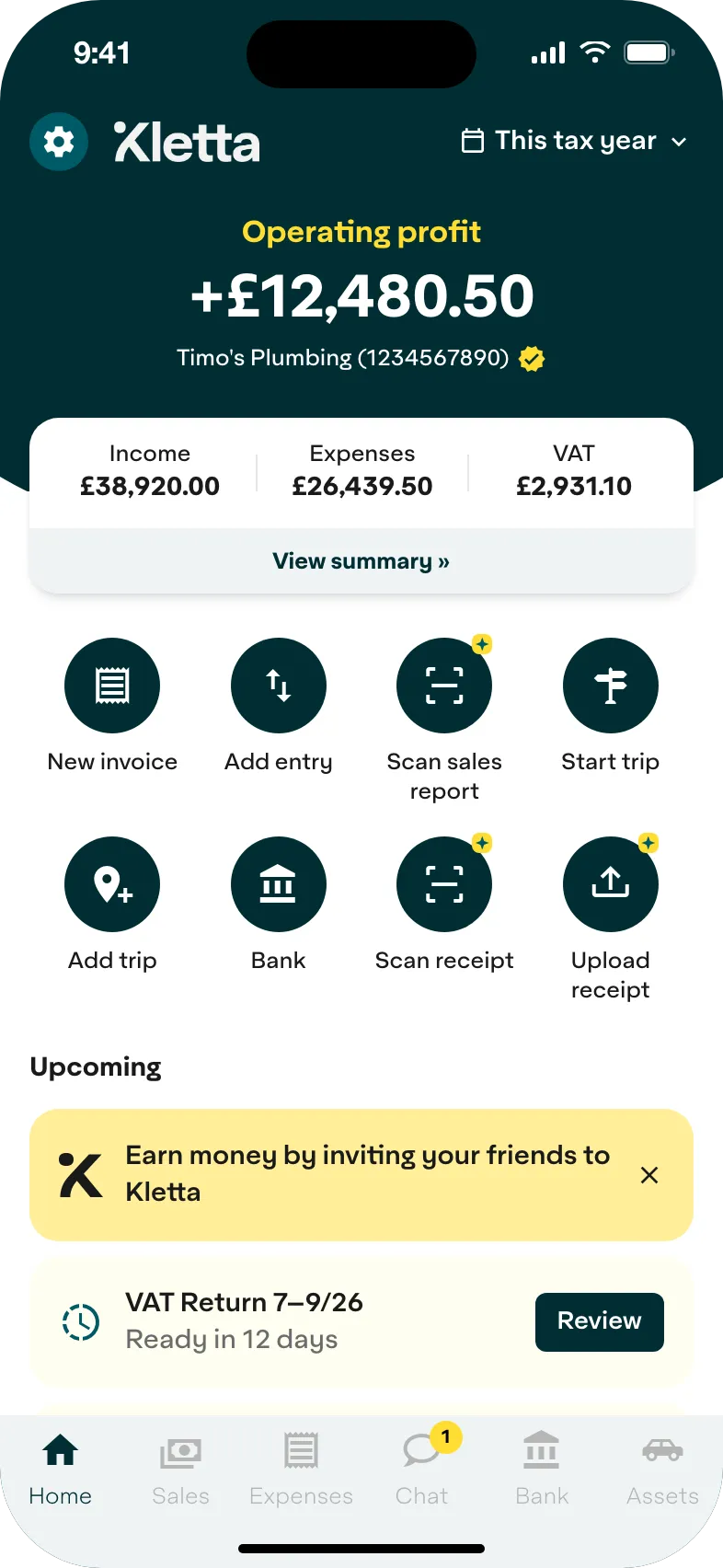
Kletta is HMRC-recognised Making Tax Digital software for sole traders. Keeping your books and building your tax return is free. You pay only when you’re ready to send to HMRC (see pricing). Not in Making Tax Digital yet? Get Kletta Duo free until your first Making Tax Digital deadline.